
The Magazine
How to Identify 925 Sterling Silver Jewelry: A Complete Guide 925 sterling silver is one of the most popular and widely used metals in the jewelry world. It offers a bright, elegant appearance, works beautifully with almost every style, and can remain attractive for many years when properly cared for. But when buying a ring, necklace, bracelet, or pair of earrings, an important question naturally comes up: how can you tell if a piece of jewelry is really made from 925 sterling silver? There are several signs and simple tests that can help. Some can be performed at home, while professional testing by a jeweler is the better option when you want a more reliable answer.
How to Choose the Right Gold Color for Your Skin Tone Yellow gold, white gold, or rose gold? The color of the metal can completely change the way a piece of jewelry looks on you and how well it works with your skin tone, hair color, and personal style. Before getting into rules and recommendations, there is one important thing to remember: there is no gold color you should avoid simply because of your skin tone. These guidelines are designed to help you find especially flattering combinations, but the best jewelry is ultimately the jewelry you love wearing. Skin Tone Gold Colors That May Suit You Best Recommended Jewelry Very fair White gold, rose gold Rings, necklaces, earrings Fair Yellow gold, rose gold, white gold Bracelets, pendants, rings Medium Yellow gold, rose gold Necklaces, earrings, bracelets Dark Yellow gold, rose gold Rings, pendants, bracelets Very dark Rich yellow gold, rose gold Earrings, necklaces, rings Why Does Gold Color Matter?
How to Clean Your Jewelry and Keep It Looking Like New Jewelry worn regularly naturally collects soap, hand cream, body oils, dust, makeup and everyday dirt. This buildup may be difficult to notice at first, but over time it creates a thin film over gemstones and metal, making even a beautiful piece appear dull. Fortunately, many types of jewelry can be cleaned safely at home using simple tools. The key is understanding that not every gemstone or metal should be treated in the same way. A cleaning method that works well for moissanite, diamonds or sapphires may damage pearls, opals, gold plating or delicate antique jewelry. Before cleaning any piece, it is important to know what materials it contains.
The Quiet Threat to Jewelry E-Commerce: Typosquatting, Spam Links and Brand Protection The first sign that something is wrong does not always come from a customer complaint, a sudden drop in sales or an obvious security warning. Sometimes it appears quietly inside website data: an unusual rise in referring domains, unfamiliar websites linking to your store, strange anchor text or pages appearing in search results that nobody on your team created. For jewelry e-commerce businesses, these are not merely technical details to leave for a developer. They may indicate brand impersonation, website compromise, spam-link activity or an attempt to take advantage of the reputation you have spent years building.
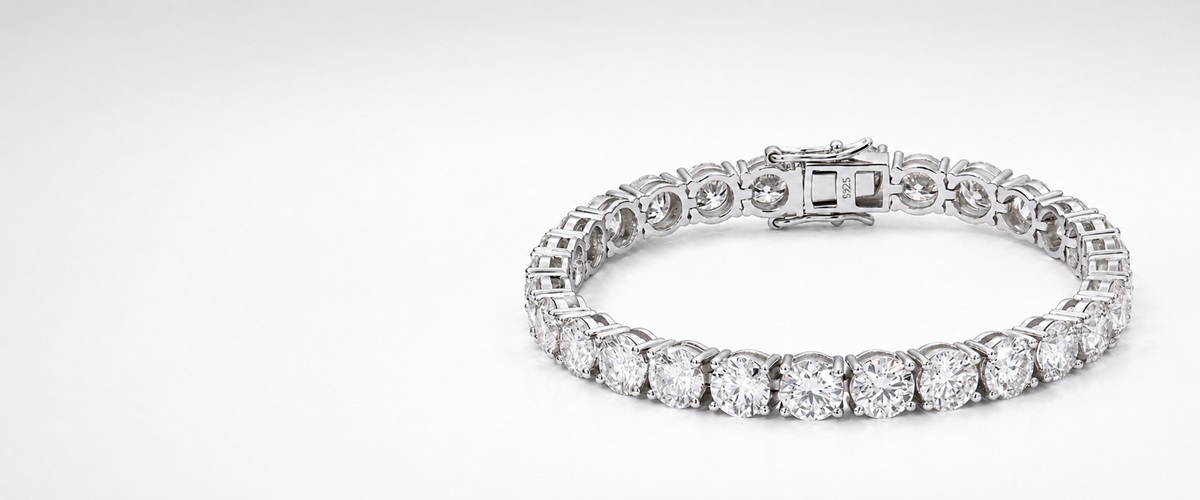
How to Style an Opal Tennis Bracelet: Stack, Layer and Wear It Right An opal tennis bracelet is one of those rare pieces that can look delicate, colorful and luxurious all at once. Its natural play of color does much of the styling work for you. Worn alone, it creates a clean and elegant look. Layered with other bracelets, it adds depth, texture and personality to the wrist. The key is knowing when to let the opal take center stage, which pieces complement it and which combinations may damage the stone. Because opal is softer than many other gemstones, styling it correctly is not only about appearance. It is also about protecting the bracelet from scratches, knocks and unnecessary friction. In this guide, we explain how to wear an opal tennis bracelet, how to pair it with a watch, which metals bring out its colors and how to style it for different occasions. Should You Wear an Opal Tennis Bracelet Alone or Stacked?
How to Find Out Their Ring Size Without Ruining the Surprise Planning to propose soon? Perhaps you want to surprise someone you love with a beautiful ring, but you have no idea which ring size to choose. You are definitely not alone. Choosing an engagement ring is exciting, but trying to discover the correct size without raising suspicion can quickly turn into a small-scale secret mission. You want to preserve the surprise, but you also want the ring to fit when the big moment arrives. Fortunately, there are several simple, creative and sometimes amusing ways to estimate someone’s ring size. Some methods use a ring they already own, while others involve help from a close friend or family member. There are even a few options for situations where you have no access to their jewelry at all. In this guide, we explore practical ways to discover a partner’s ring size discreetly, along with useful advice for choosing an engagement ring, a Moissanite ring or a meaningful gift ring in the closest possible size.
What Makes Jewelry Sustainable? A Beginner’s Guide Sustainability has become an important part of the way we think about food, fashion, travel and everyday shopping. Jewelry may seem small compared with other products, but the materials and production processes behind a single ring, bracelet or necklace can leave a significant environmental and social footprint. Mining precious metals and gemstones may affect landscapes, water sources and local ecosystems. In some parts of the world, jewelry materials may also pass through supply chains where working conditions, wages and sourcing practices are not always transparent. This growing awareness has led more people to explore sustainable jewelry: pieces that combine beauty, quality and responsibility. But what actually makes jewelry sustainable? And how can you recognize a more responsible choice? This beginner’s guide explains the main factors to consider.
Non-Diamond Engagement Rings: A World of Color, Brilliance and Character For many years, diamonds dominated the world of engagement rings almost without competition. They became a familiar symbol of love, commitment and new beginnings. Today, however, more couples are discovering that an engagement ring does not have to feature a diamond to look luxurious, meaningful and truly unforgettable. Some people are searching for a more affordable option without giving up beauty or sparkle. Others are attracted to colorful gemstones, unusual designs or stones that feel more personal. For many couples, choosing a different gemstone is simply a way to tell their love story in a more original way. The world of gemstones offers an extraordinary variety of colors, shades, levels of brilliance and styles. From clear, sparkling stones to deep and mysterious colors, every gemstone has its own personality. Your Stone, Your Story